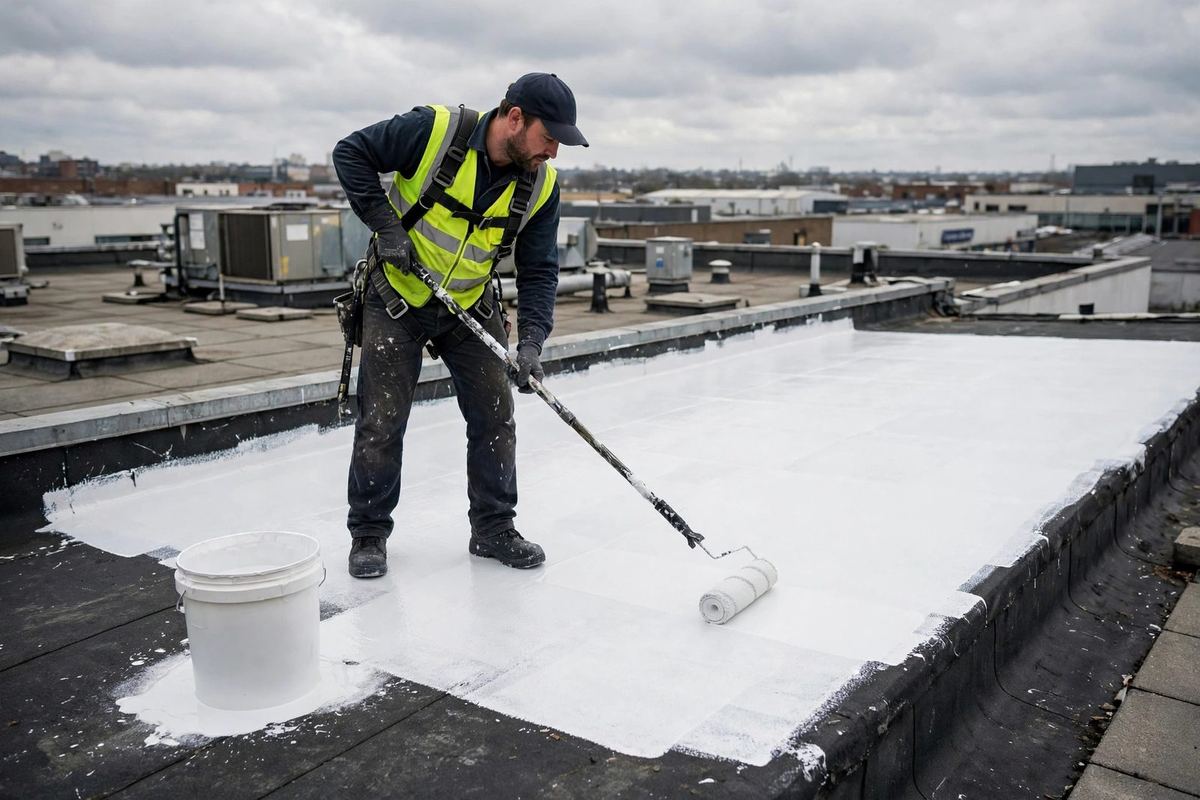
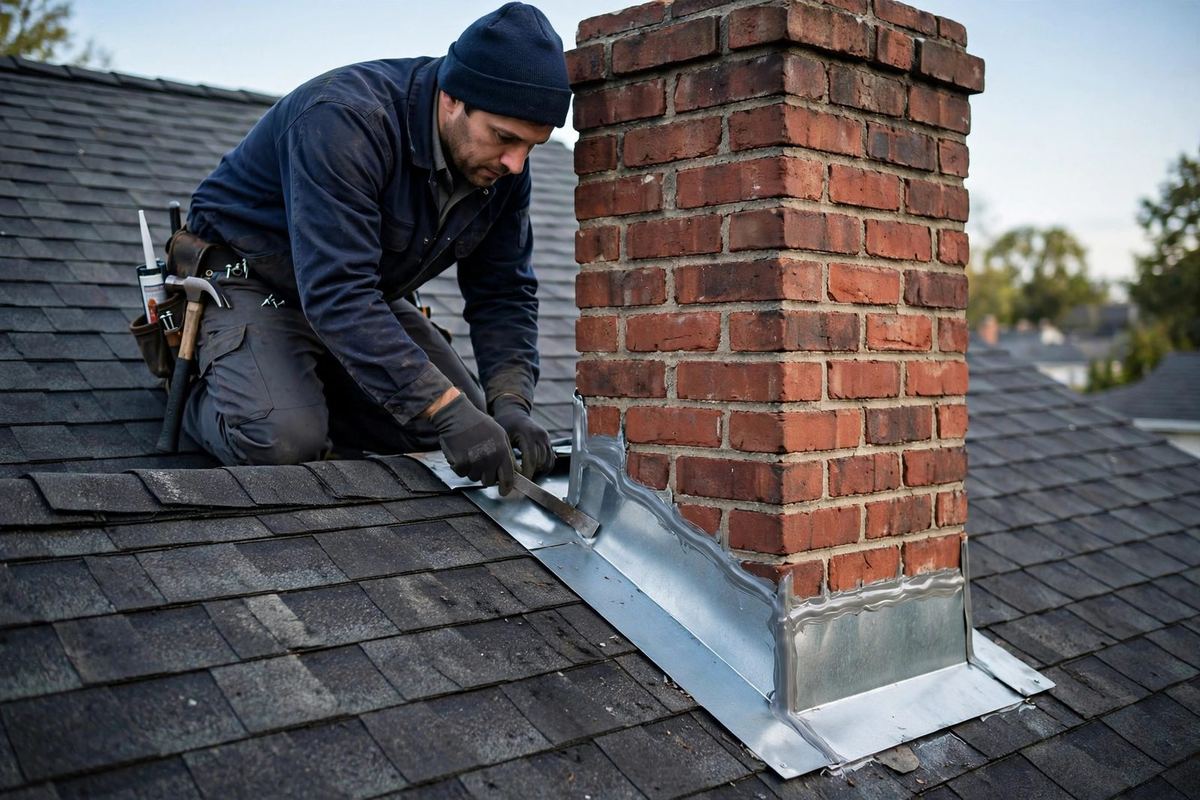
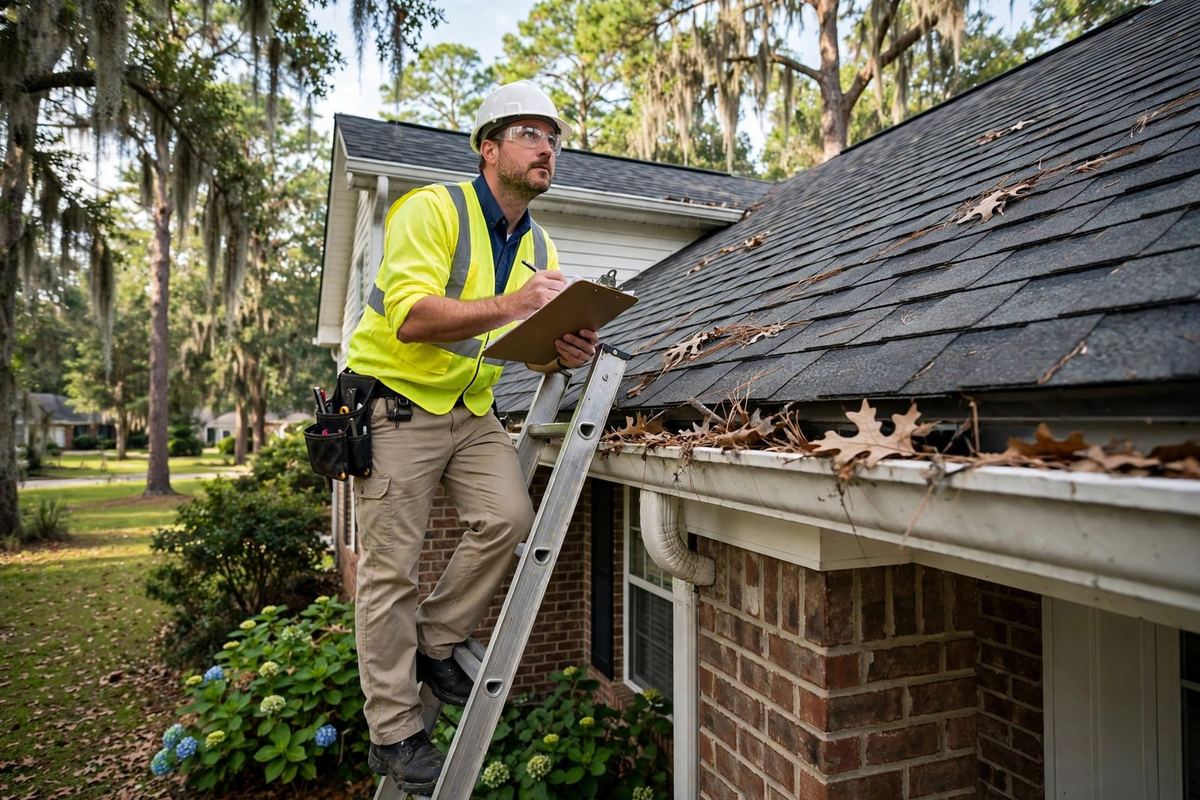
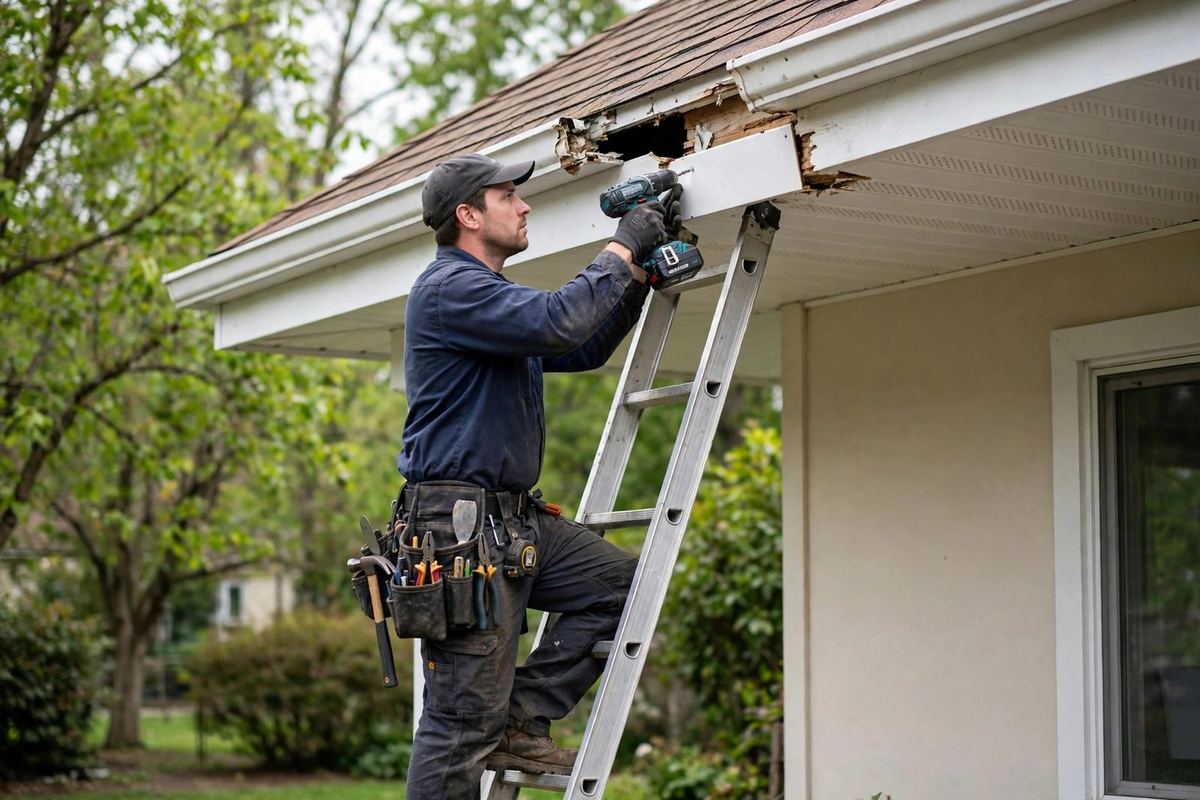
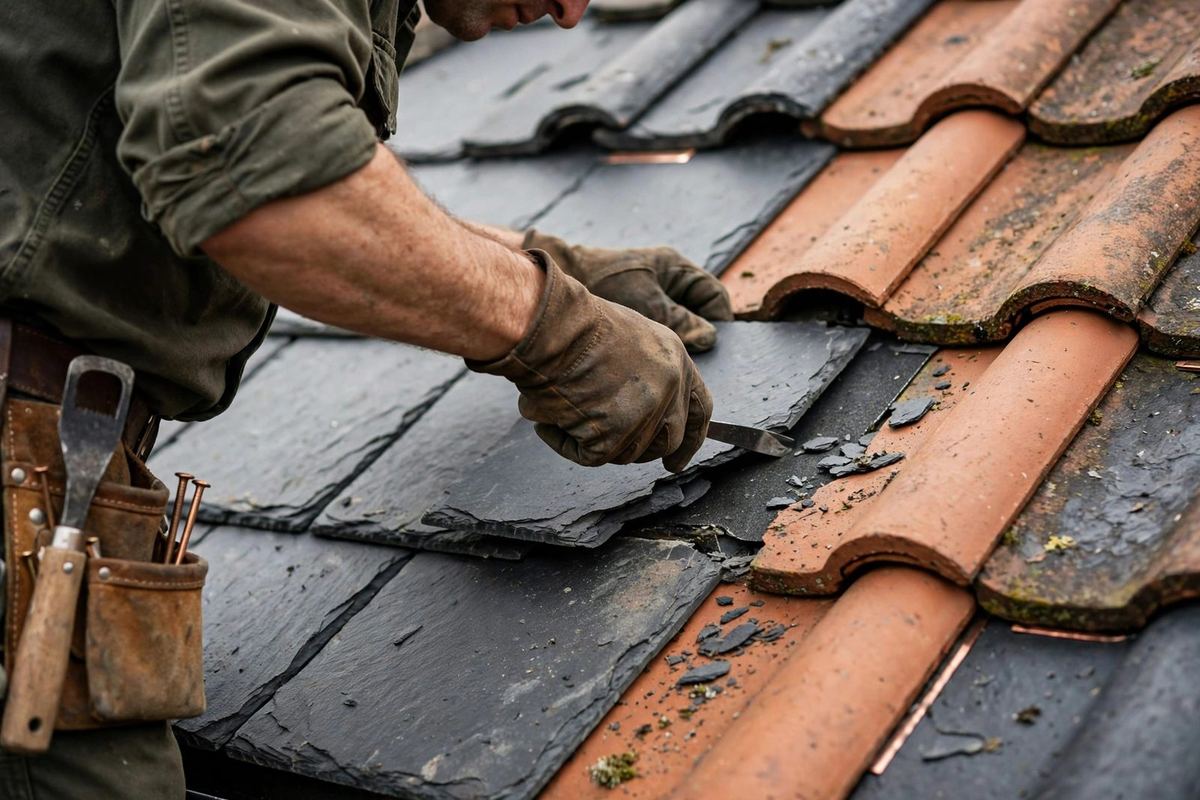
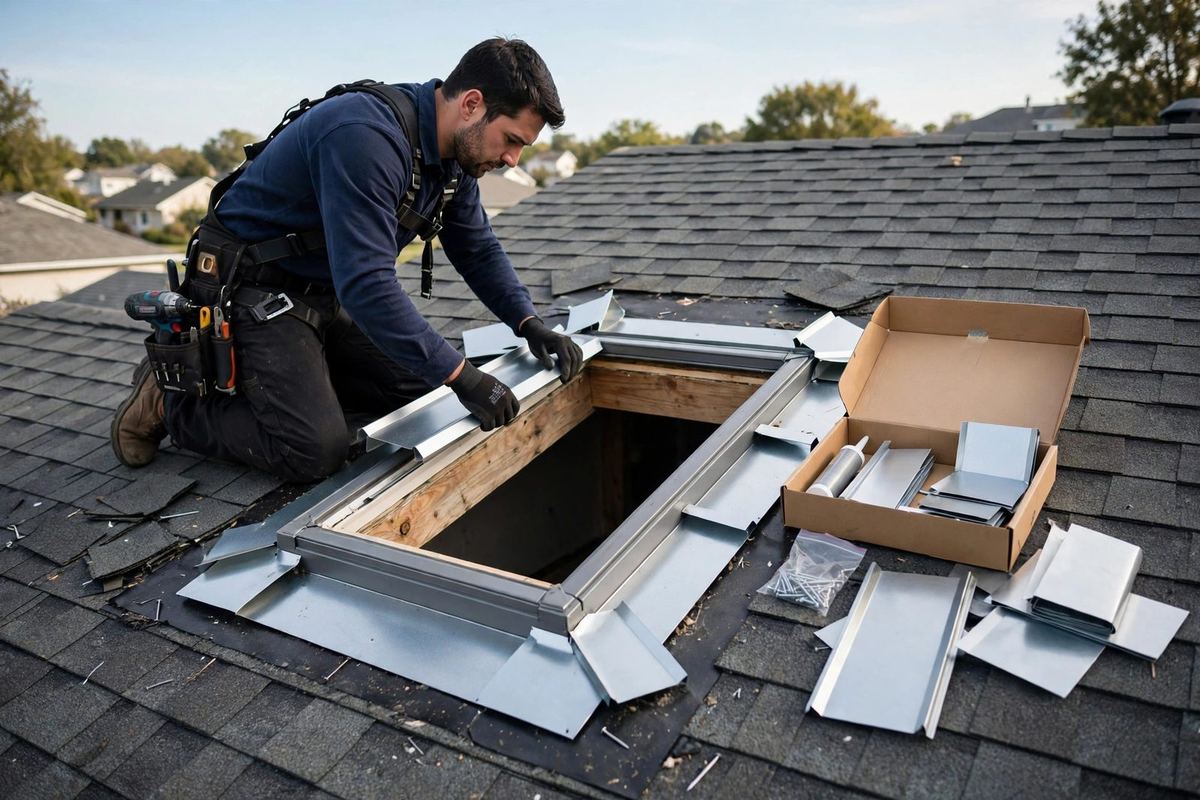
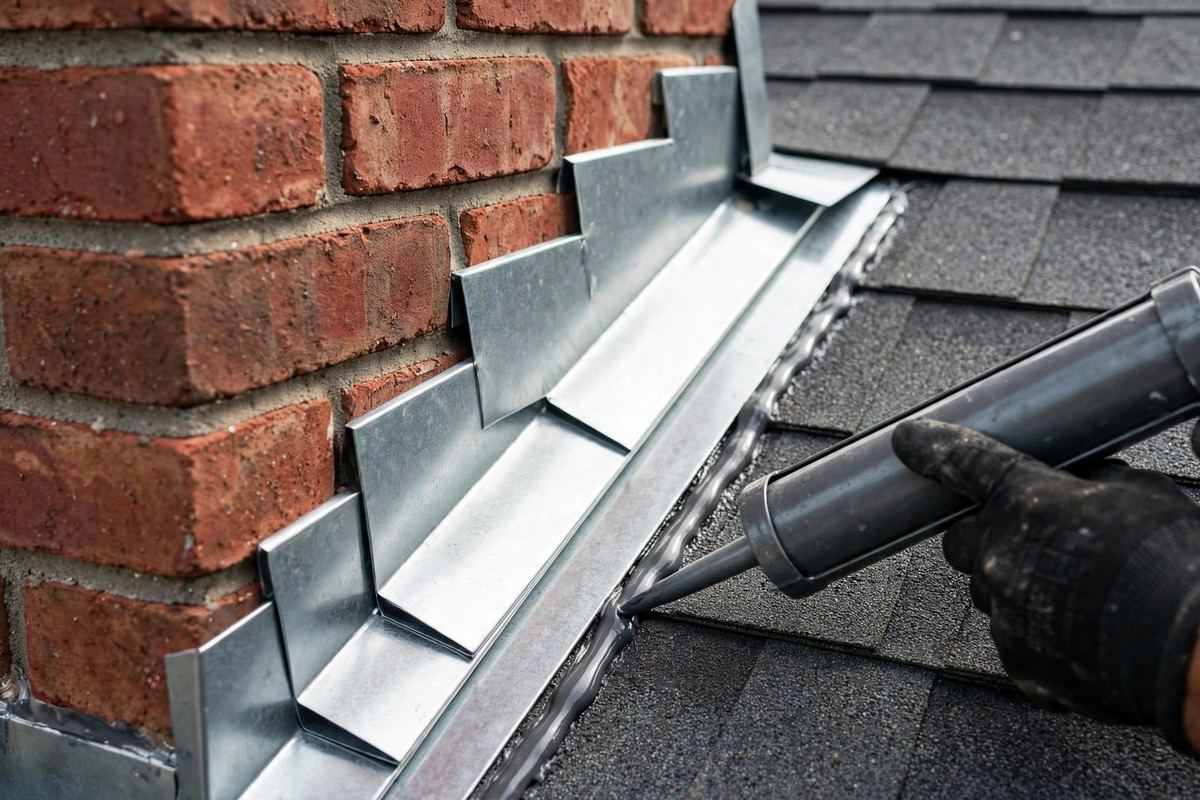
Professional coating work is mostly preparation: the roof is cleaned, repairs are made, every seam is reinforced with fabric or seam treatment, fasteners on metal roofs are sealed, and flashings and penetrations are detailed before the field coating goes down. The coating itself is applied at a specified dry-film thickness and verified as it is applied, because an under-applied coating is just expensive paint. Weather windows matter in Georgia — application and curing are scheduled around dry conditions, not squeezed between storms.
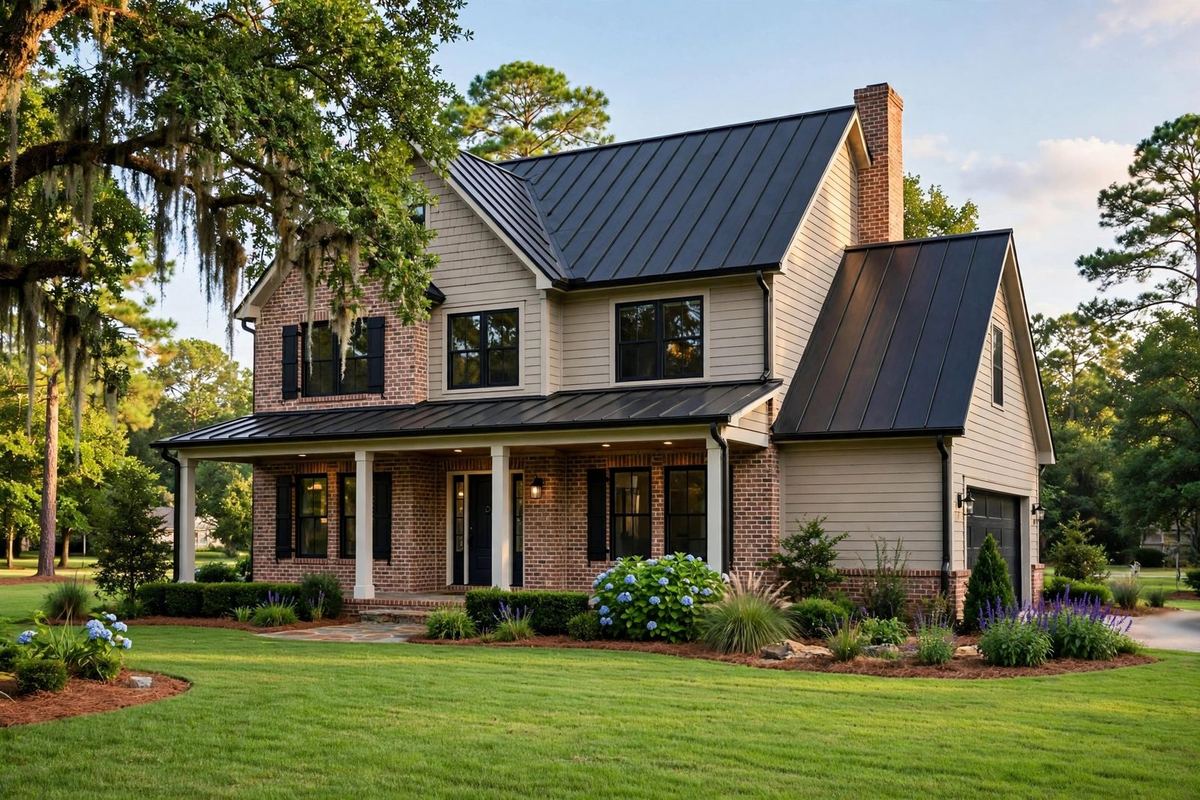
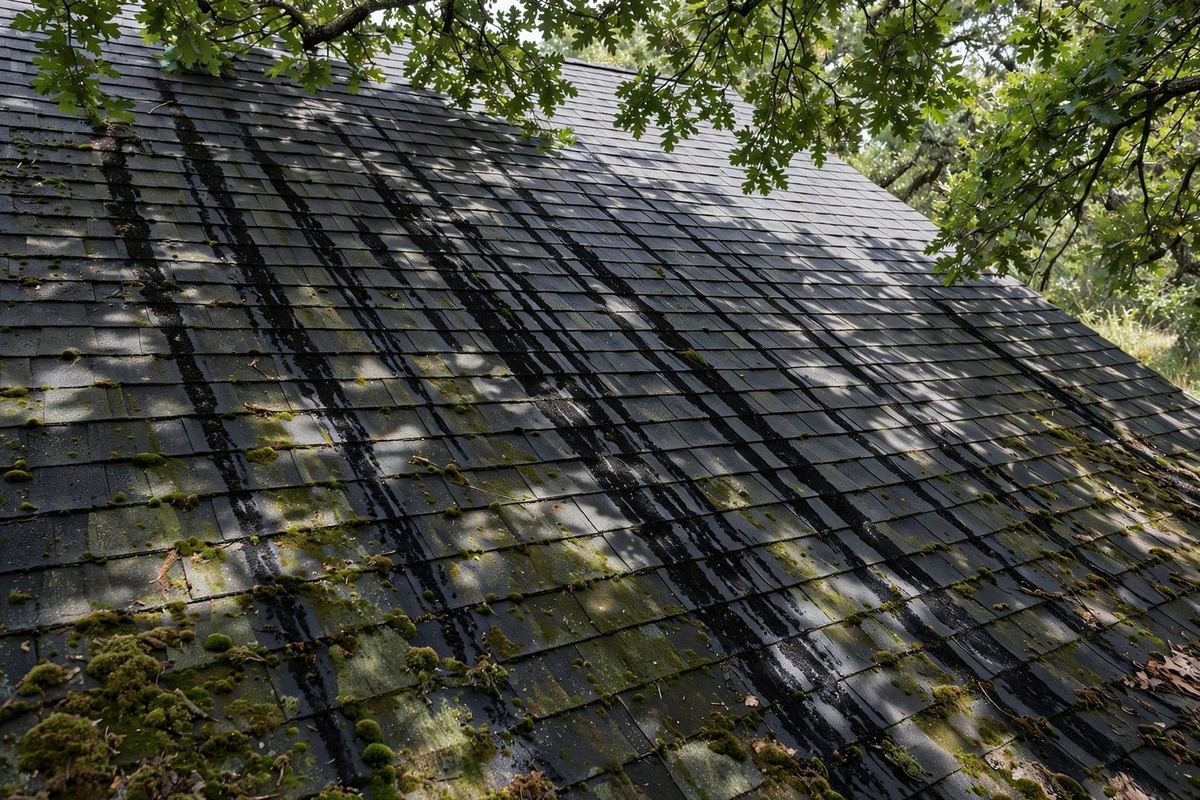
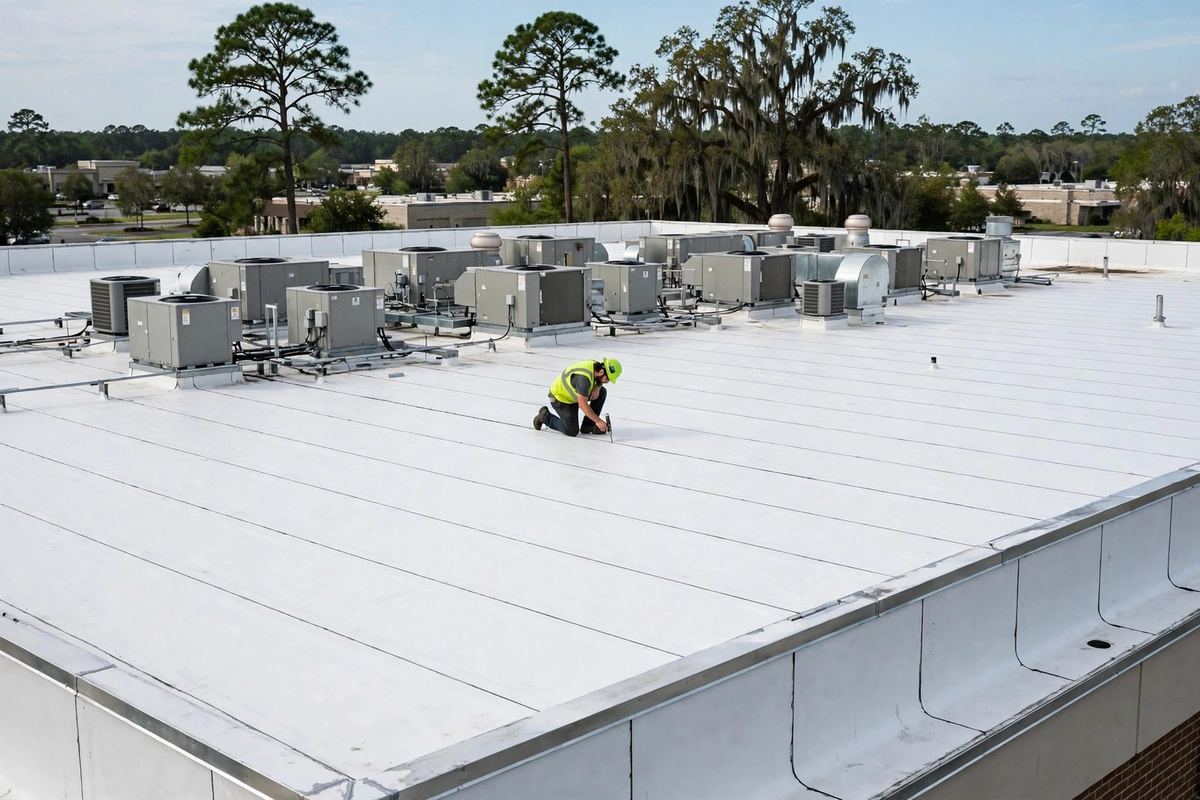
On low-slope roofs, coating systems restore aging TPO, EPDM and modified bitumen membranes whose surface has weathered but whose body remains sound, adding a reflective, seamless waterproof layer. On metal roofs, coating addresses the classic failure points — surface rust, aging fastener gaskets and seam movement — while reflecting Georgia sun. Reflectivity is a genuine energy consideration on big low-slope roofs under our summer sun. When the coating eventually reaches its own end of life, a sound substrate can often be recoated, compounding the savings.
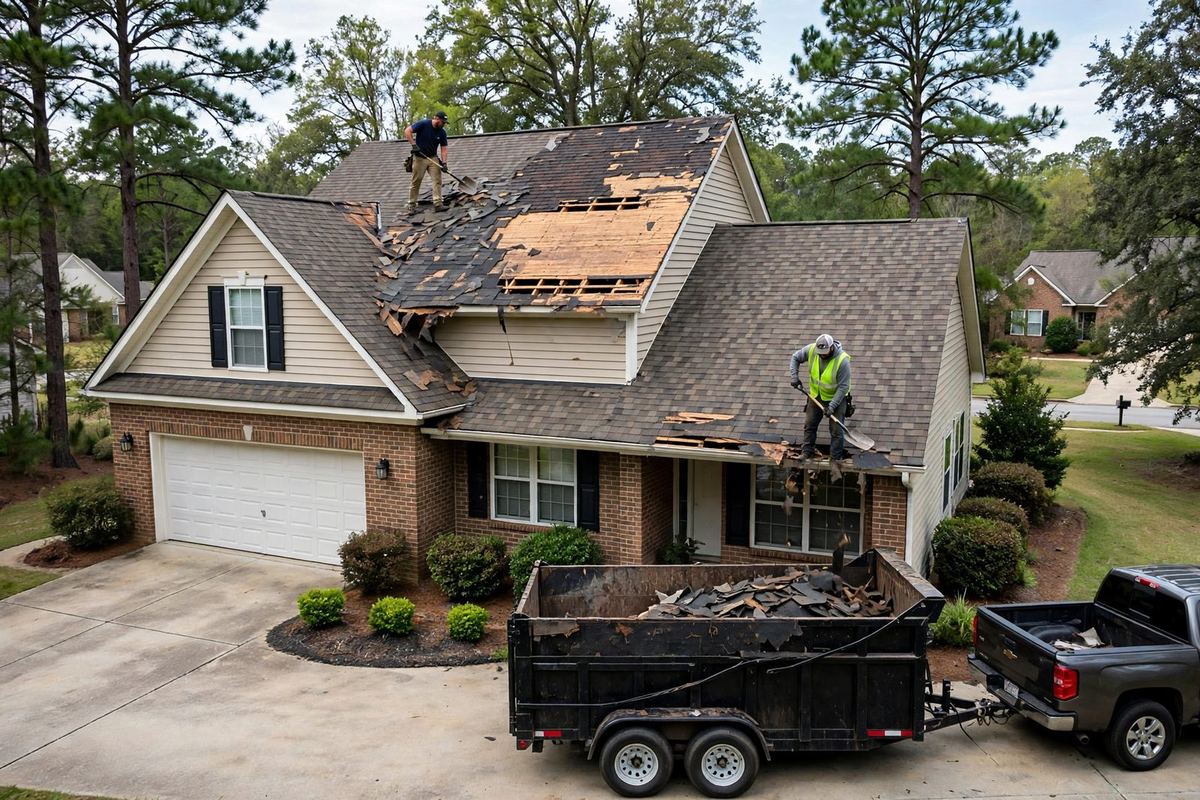
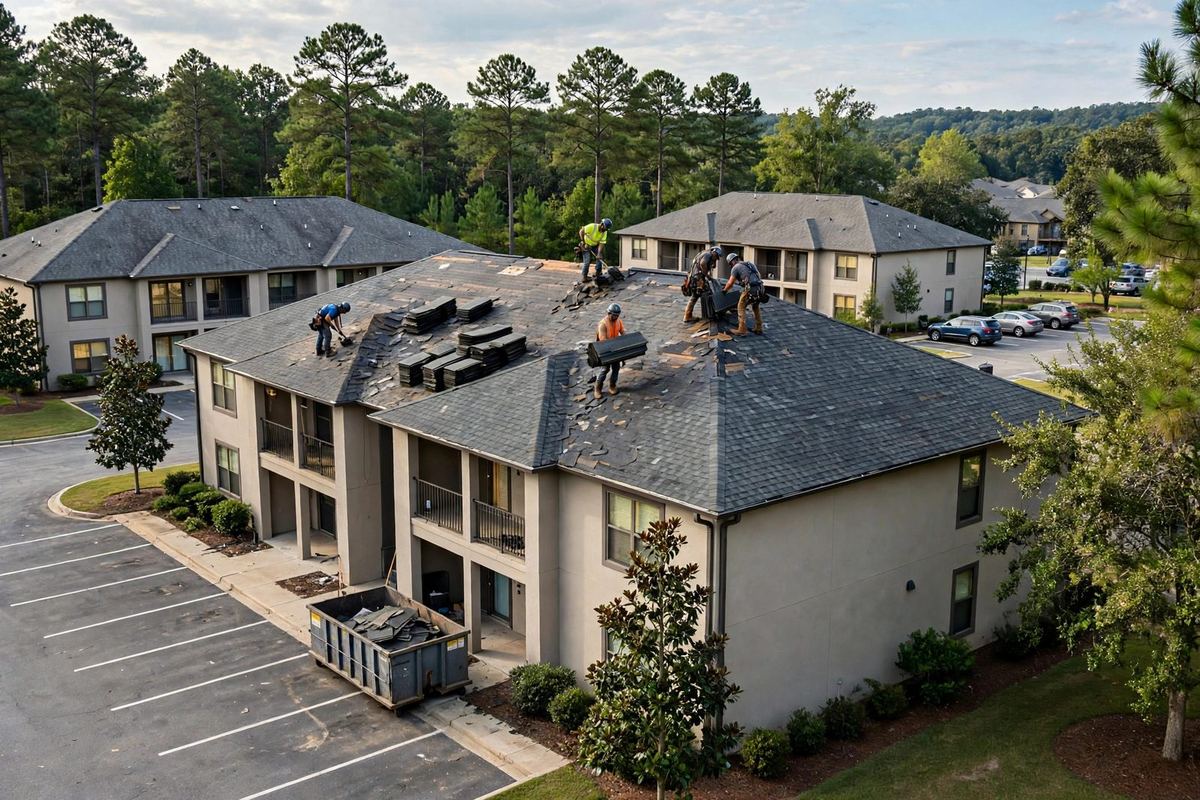
The financial case rests on avoided tear-off: no dump fees, no exposure of the building interior during replacement, no new insulation package in most cases — in exchange for a service life measured in years rather than the decades of a new system. For owners planning to hold a building, a coat-now, recoat-later strategy can beat replacement economics outright; for a roof with substrate failure, it never does. We put both lifecycle pictures in writing, with measured areas, and let the arithmetic make the recommendation.