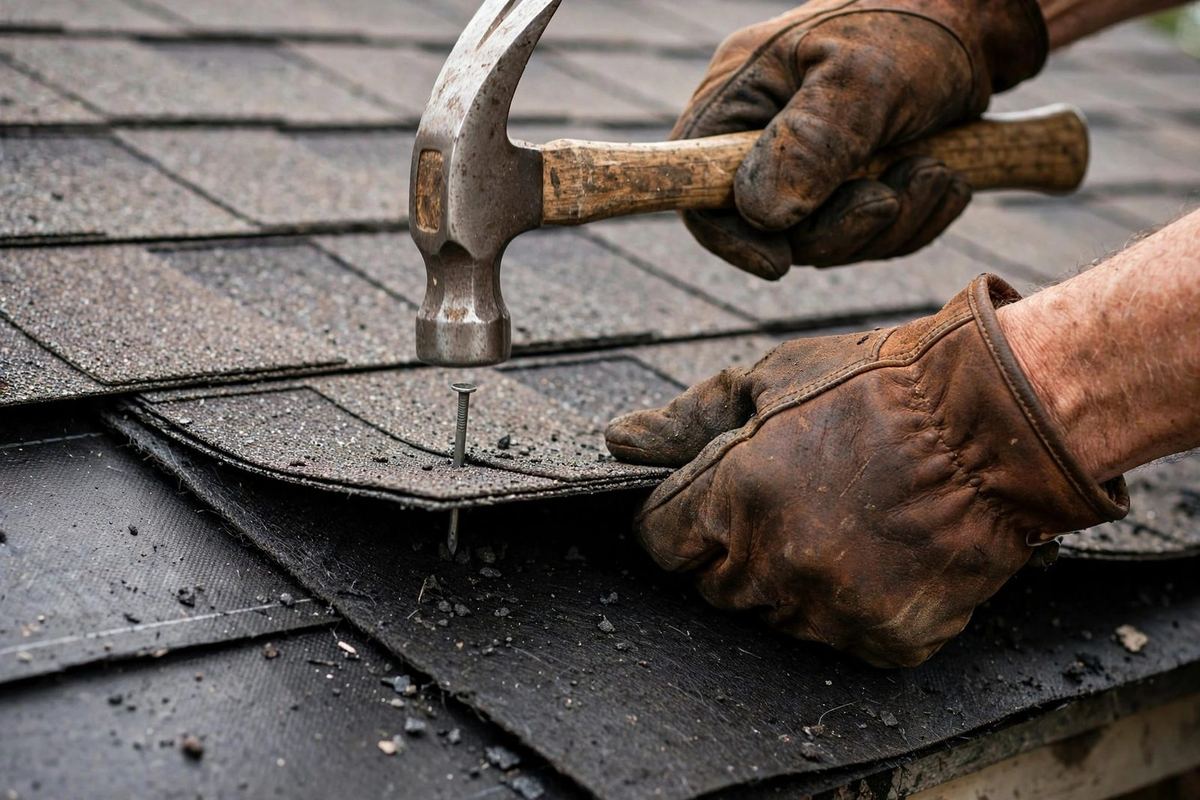
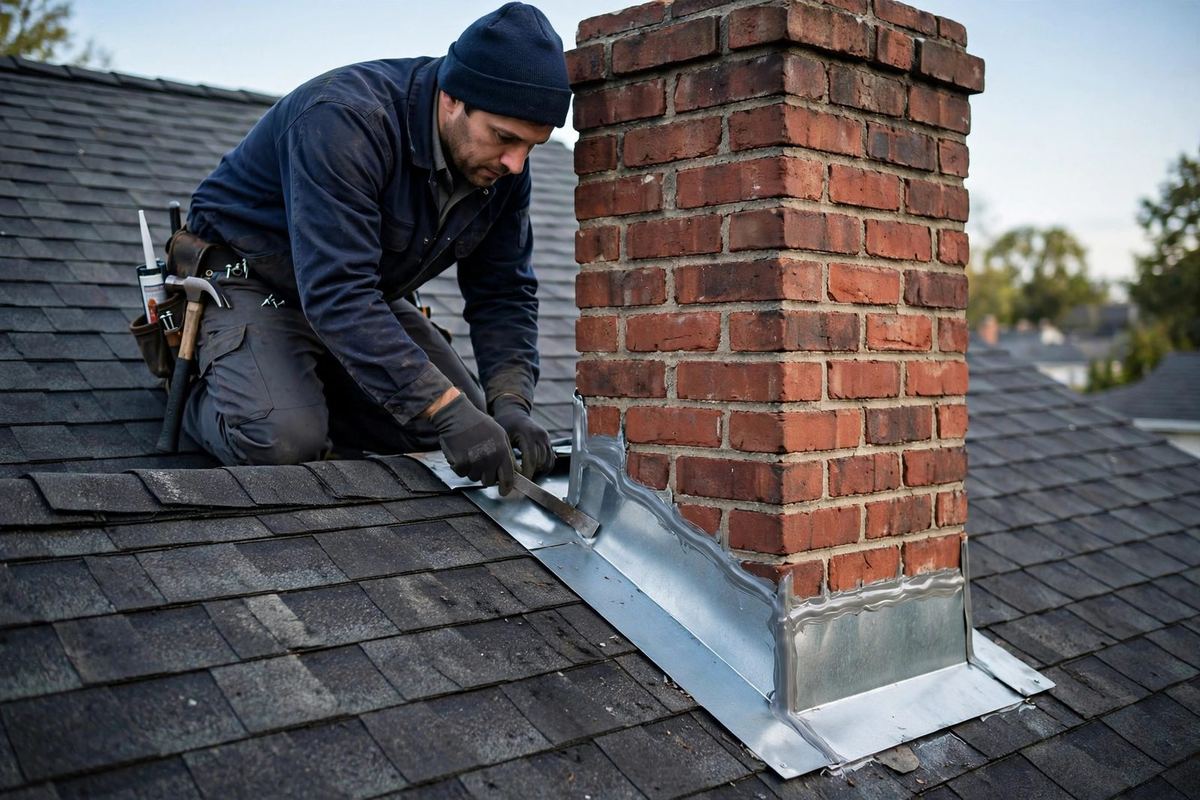
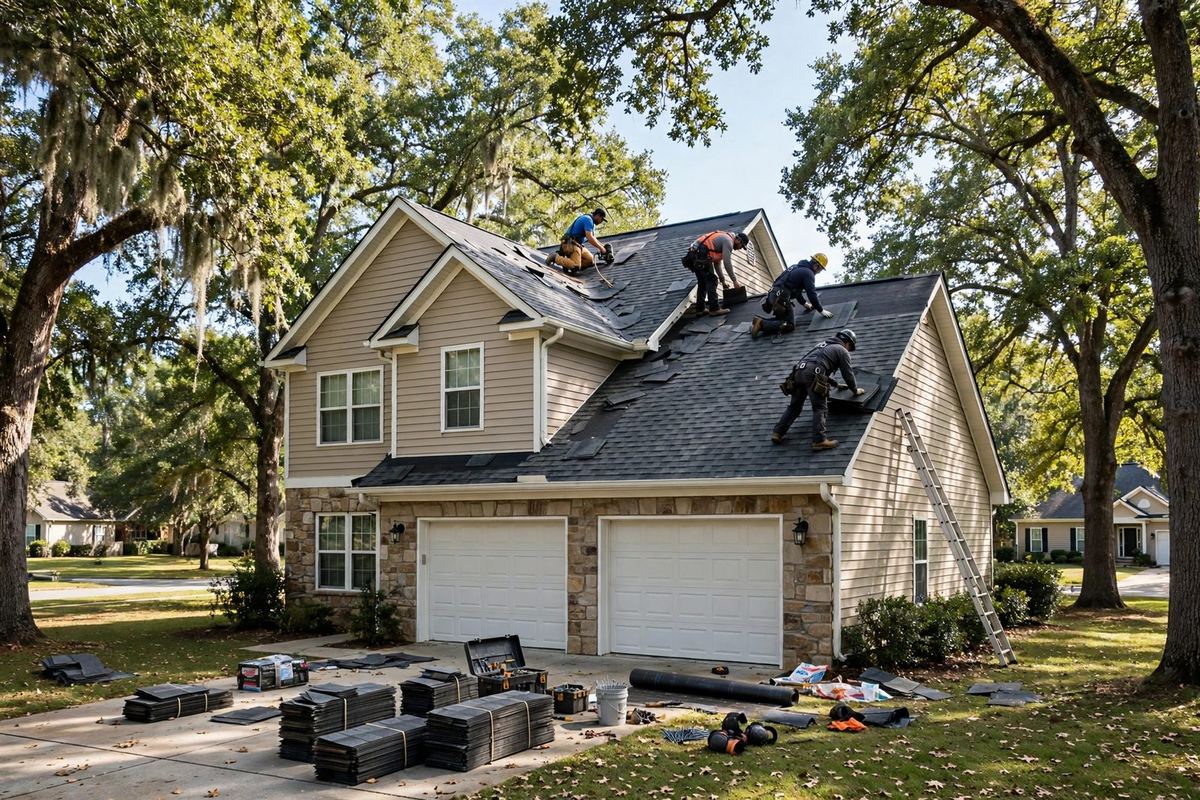
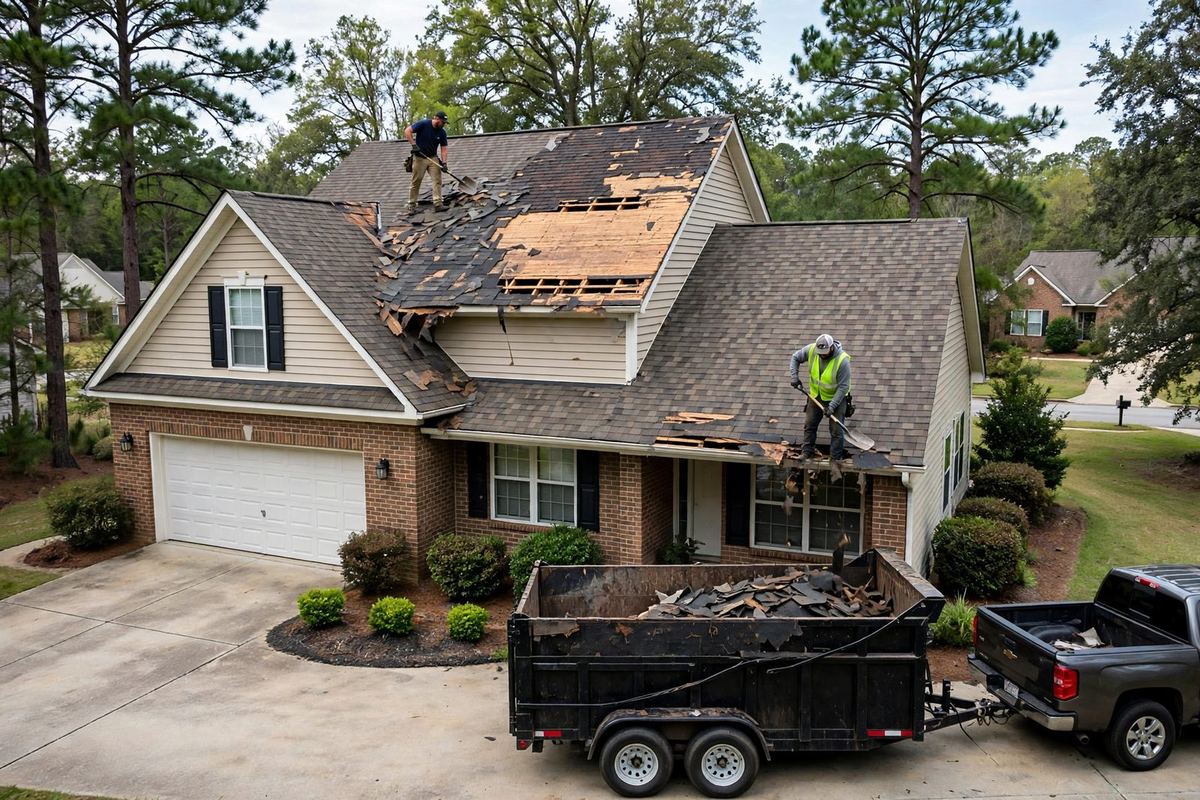
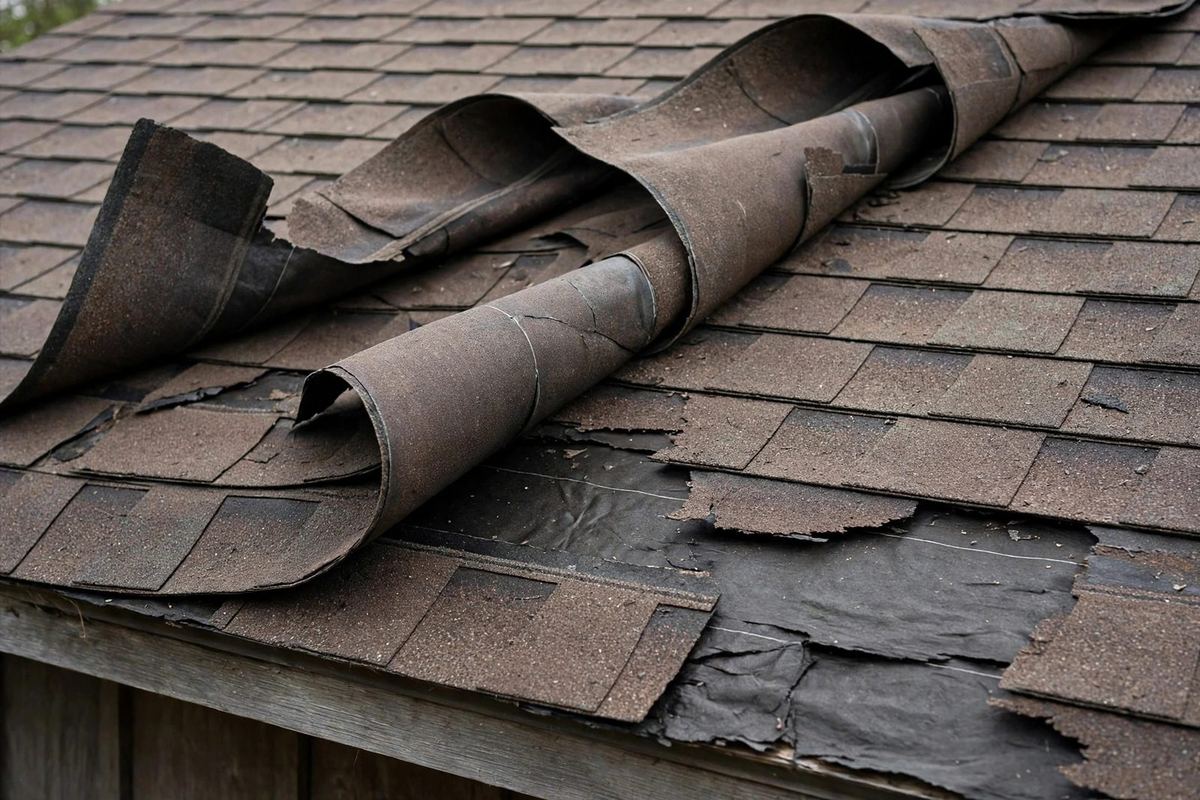
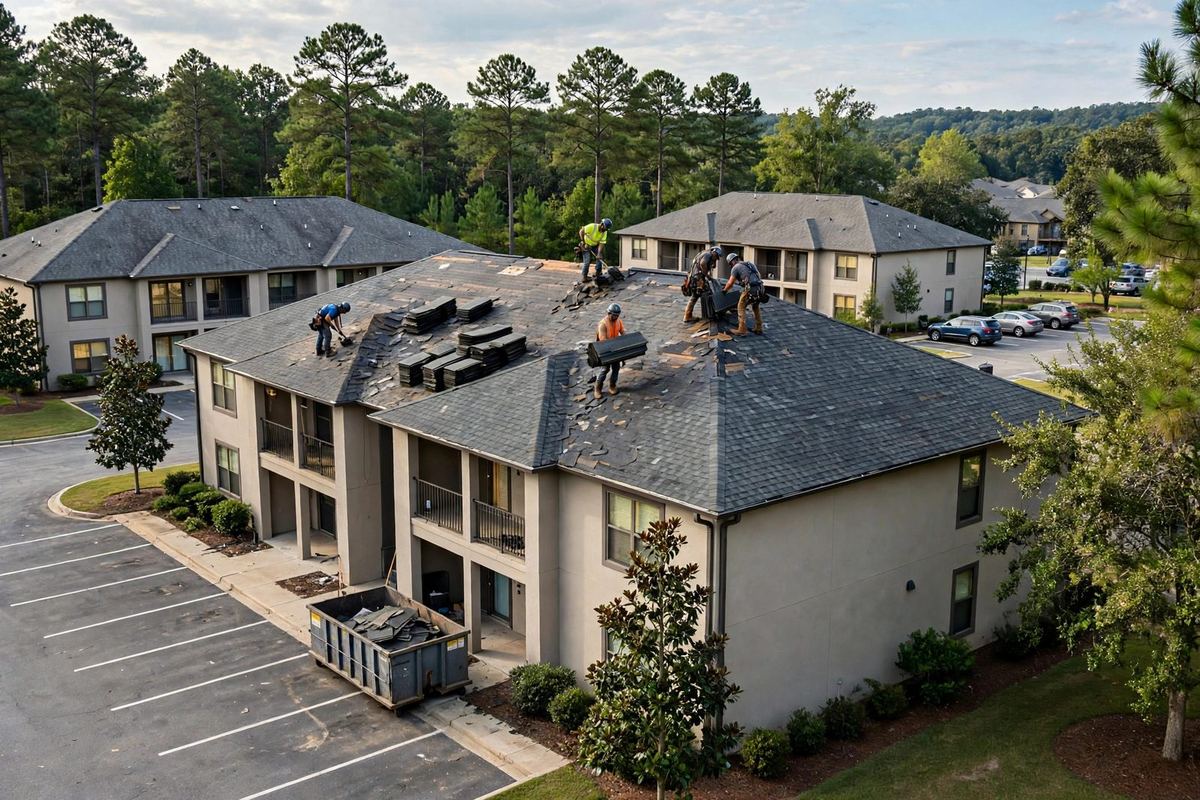
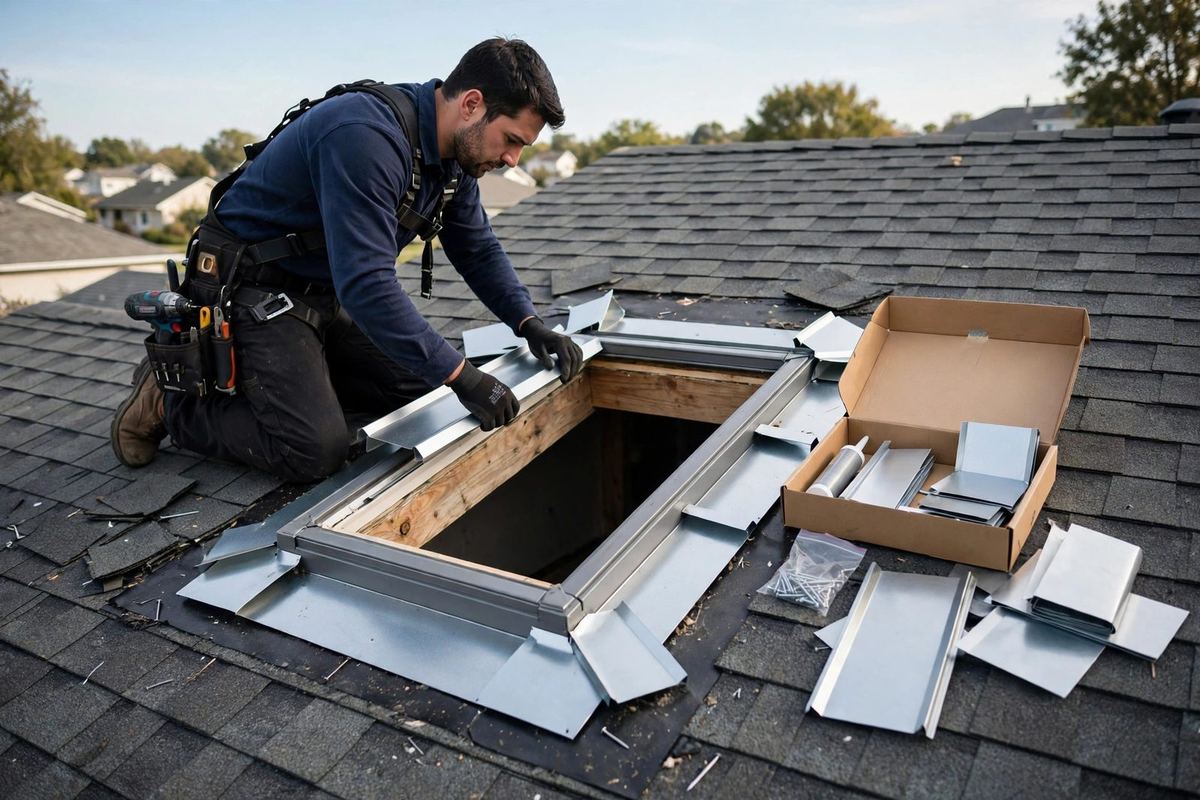
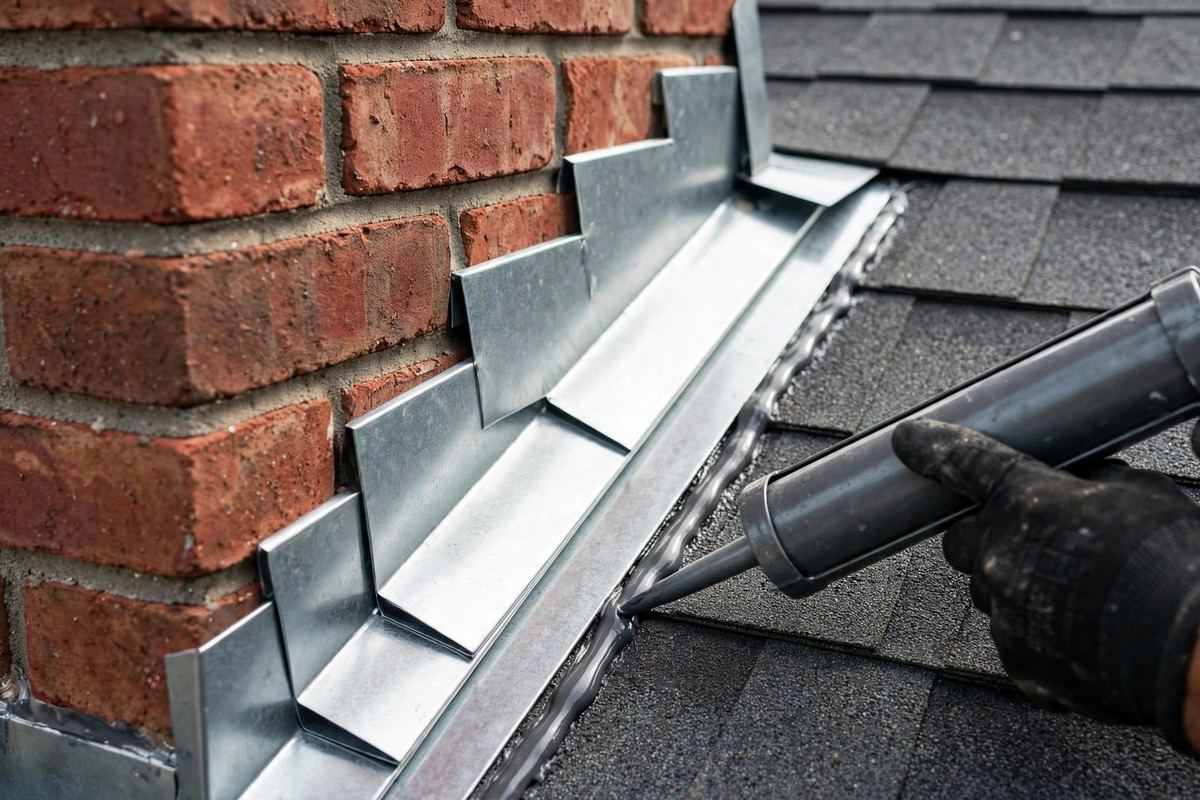
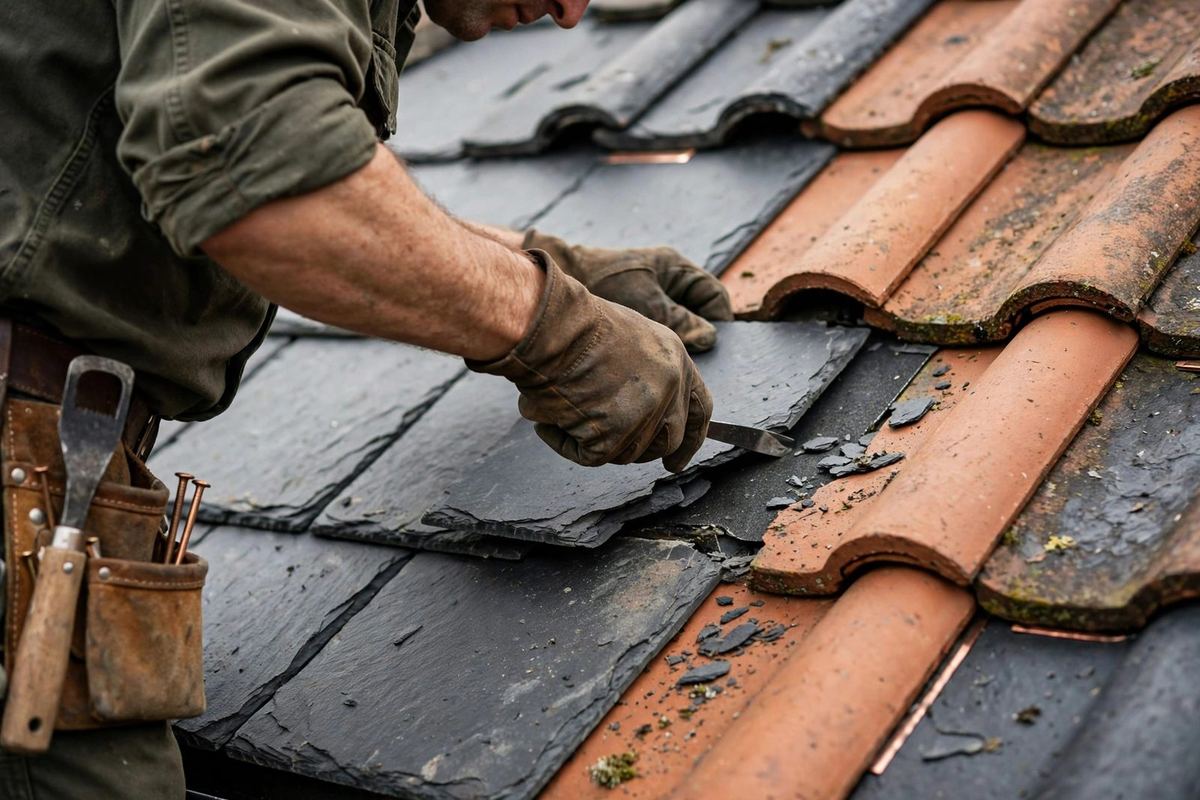
If a competing quote is thousands less, the difference usually lives in omitted line items: no tear-off, reused flashing, no valley membrane, ventilation ignored, or deck repairs billed as extras after the roof is open. Ask every bidder — us included — whether the price includes tear-off and disposal, underlayment type, drip edge, valley treatment, flashing renewal and ventilation work, and how deck repairs are priced. Honest quotes itemize these in October 2026 dollars; vague ones bill them later.
Georgia allows at most two shingle layers on a roof. An overlay over one sound layer saves tear-off cost but buries old flashing, adds weight, prevents deck inspection, and frequently telegraphs the old roof's unevenness through the new shingles. It also spends the roof's layer allowance, so the next roof must be a tear-off anyway at then-current prices. For a home you plan to keep, our recommendation is almost always a full tear-off — priced plainly in the quote, typically keeping full jobs in Marietta's October 2026 range of $12,000–$22,000.
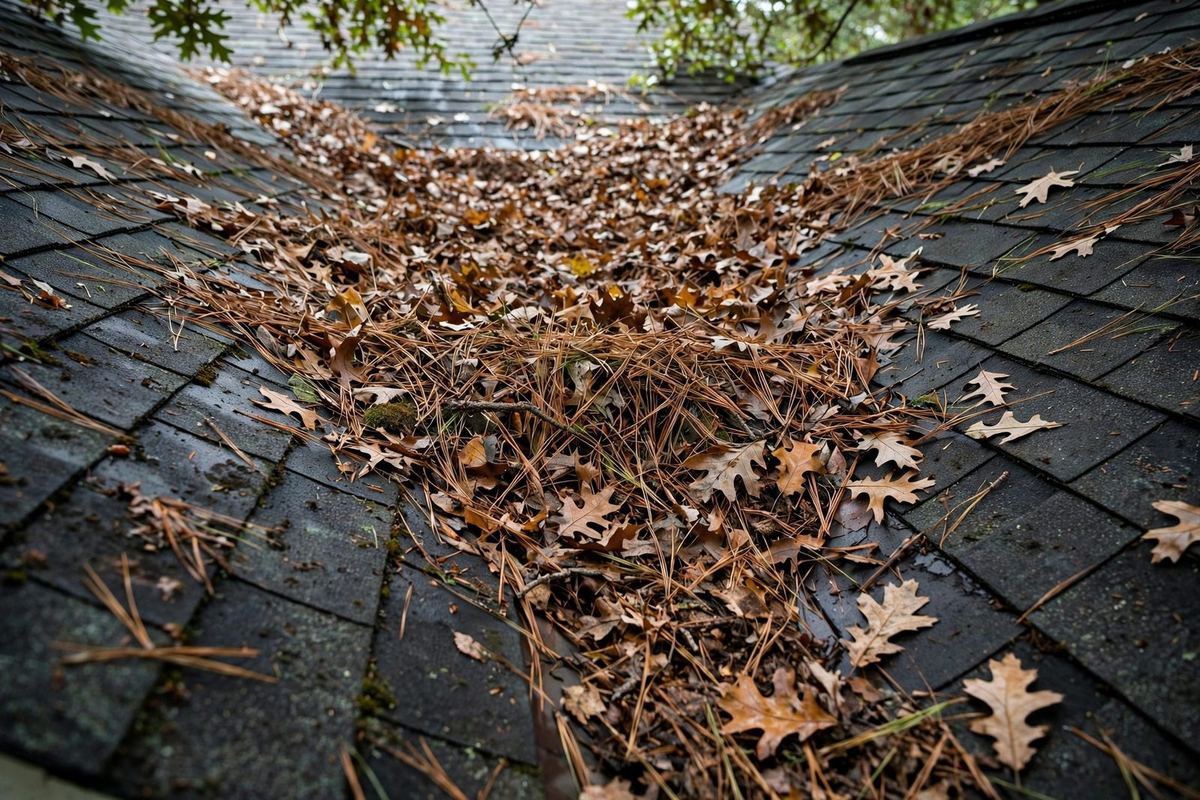
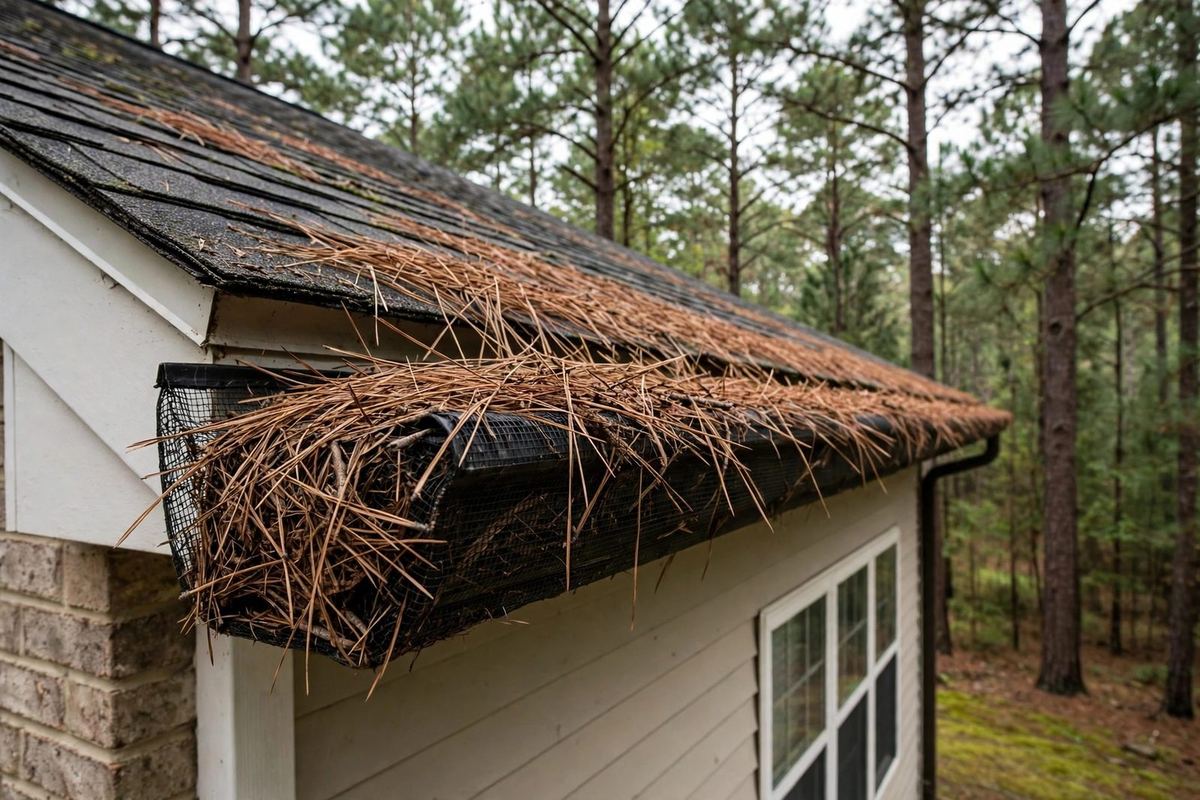
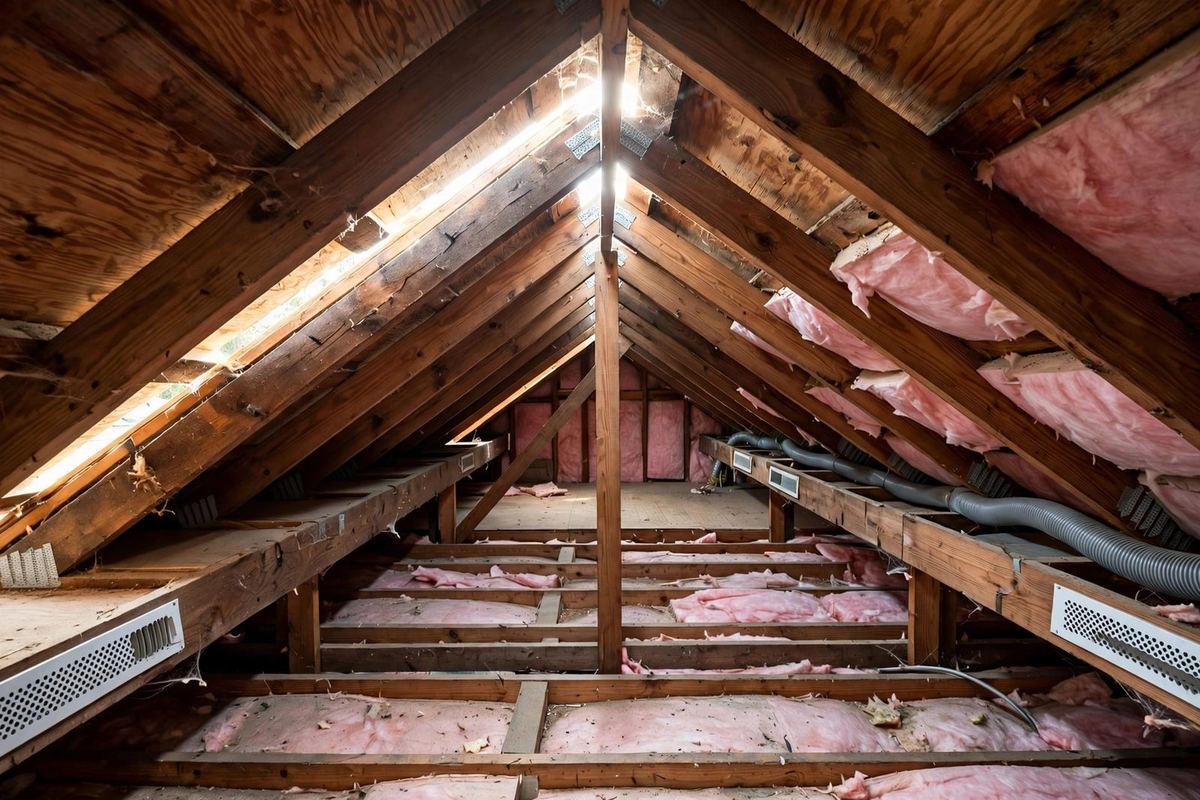
Three local forces age shingles here. Heat plus poor attic ventilation bakes them from both sides — which is why we build ventilation to the 1/150 baseline rather than accepting whatever the last roof had. Algae (Gloeocapsa magma) paints black streaks on north slopes; per ARMA those streaks are cosmetic, not destructive, however often they are sold as damage. Moss, common under Cobb's tree canopy, is the real problem: it lifts shingle edges and holds water against the mat, and it should be removed.