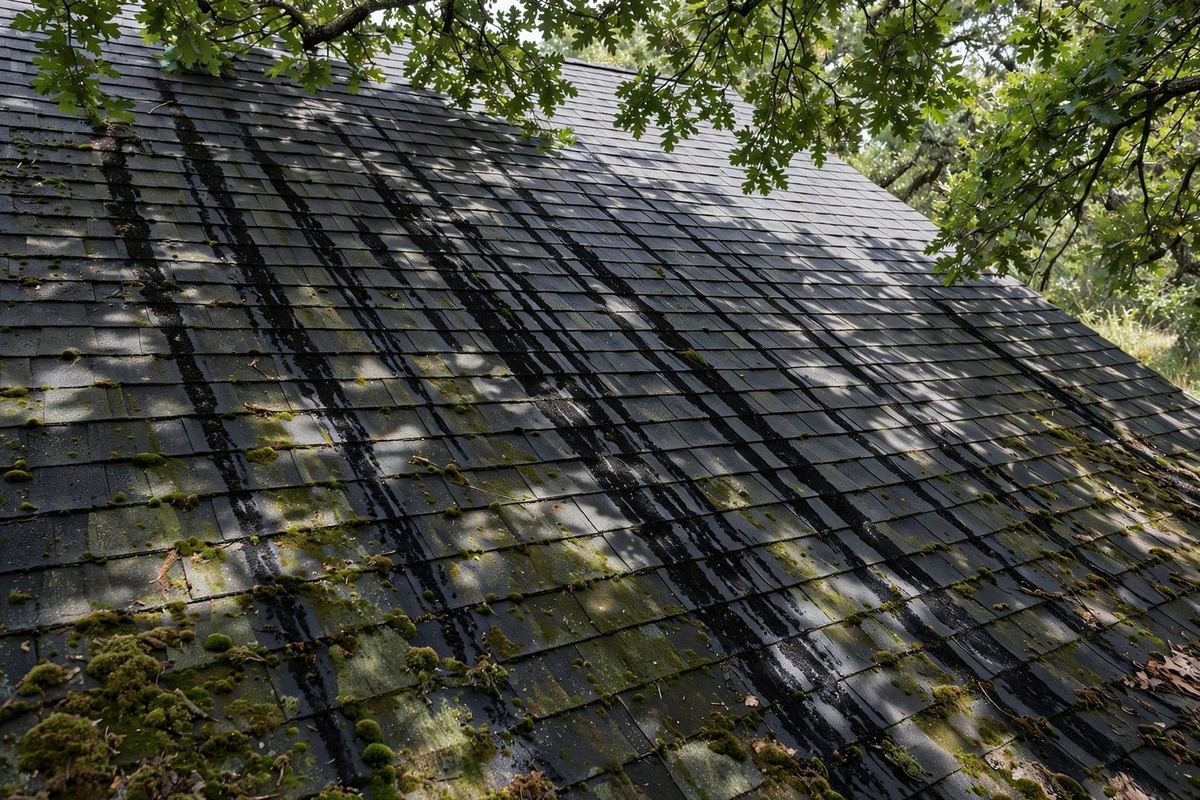
Those black streaks on Marietta shingles are Gloeocapsa magma, a cyanobacteria feeding on the limestone filler in asphalt shingles. Per ARMA, the roofing manufacturers' association, algae staining is a cosmetic issue — it discolors but does not destroy the shingle. We treat it with low-pressure soft washing and appropriate cleaning solution, never high-pressure blasting, which strips granules and genuinely does shorten roof life. Moss is different: it lifts shingle edges and traps moisture, and that is damaging, so moss gets removed, carefully, by hand methods.
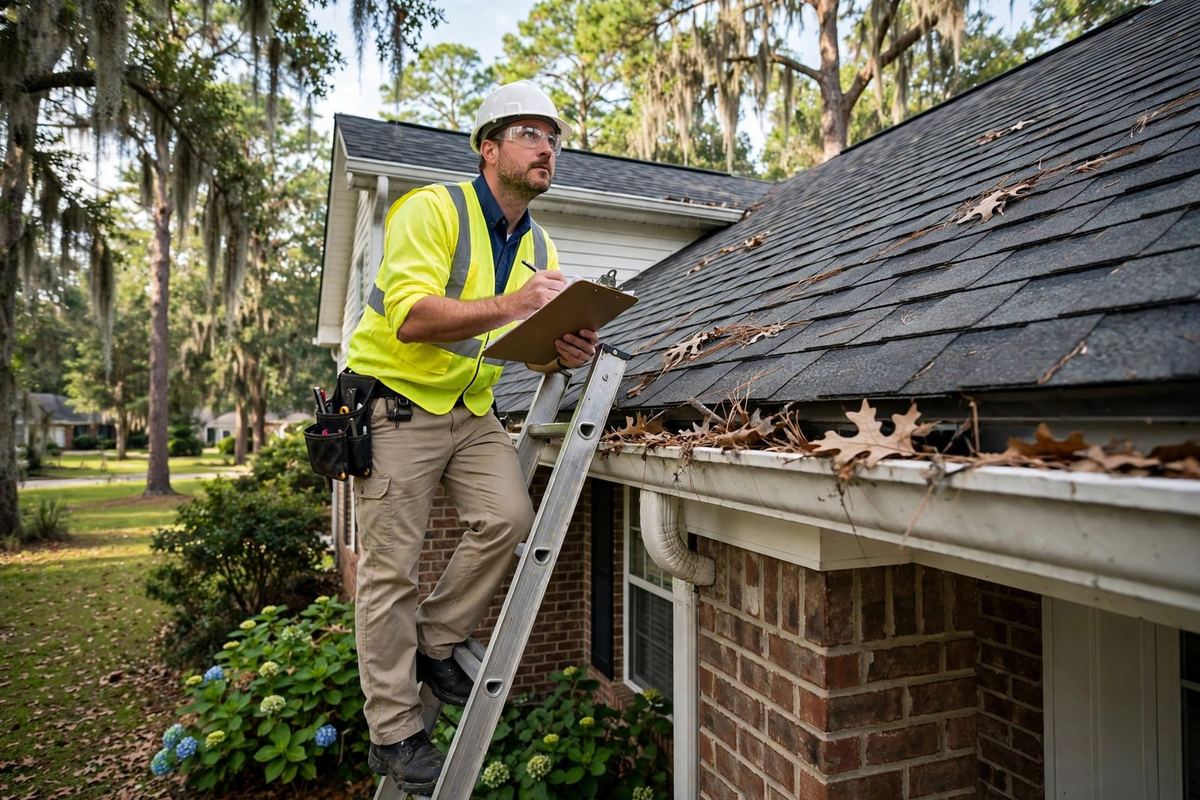
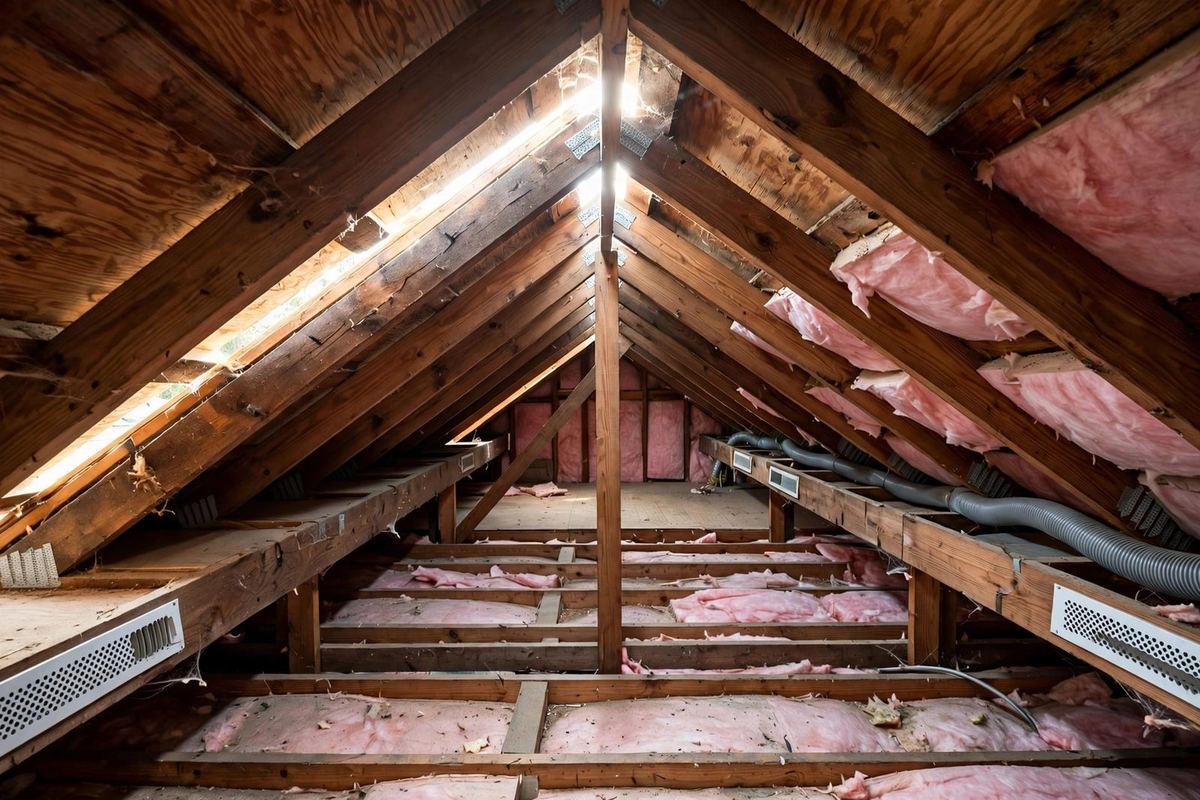
Maintenance includes a look from the attic side where accessible. Georgia's baseline ventilation standard we work to is the 1/150 ratio, and blocked soffit vents or under-vented attics cook shingles from below, drive up cooling costs and condense moisture on decking in winter. Clearing insulation-blocked soffits and flagging ventilation shortfalls during a maintenance visit is cheap prevention compared with the deck rot and premature shingle failure that chronic attic heat and moisture produce.
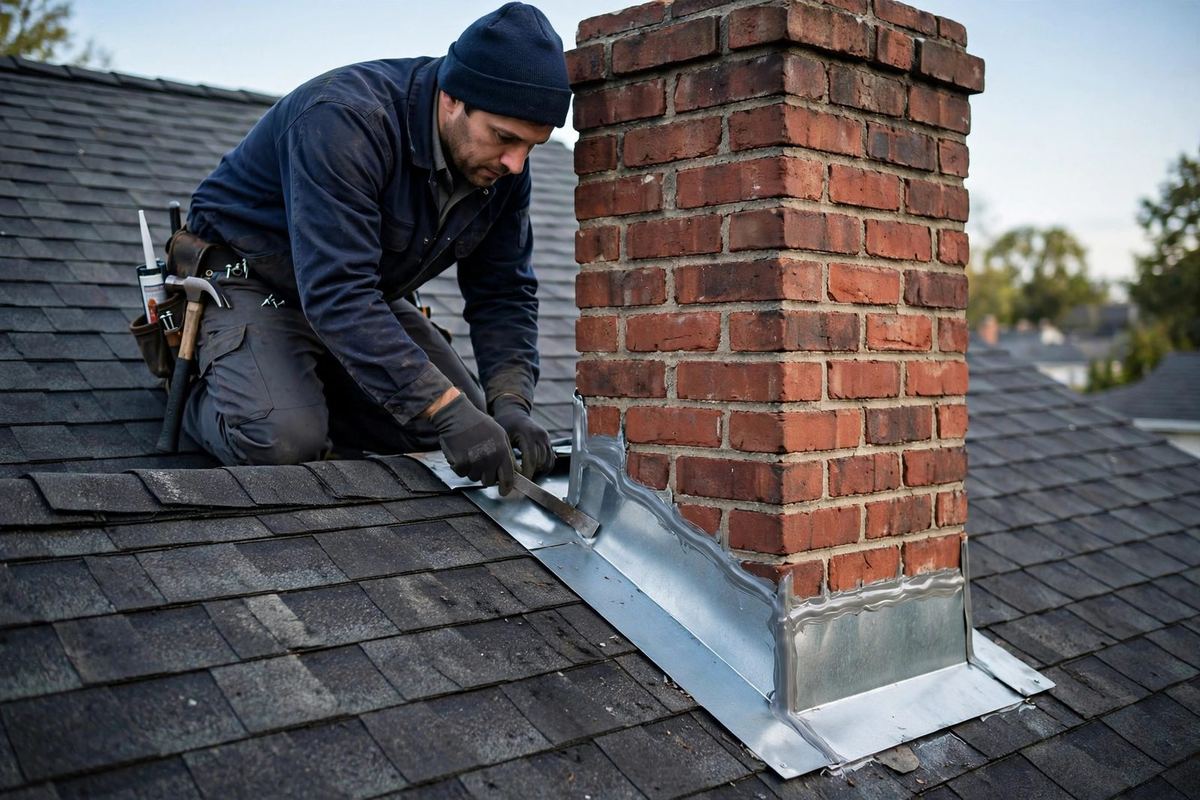
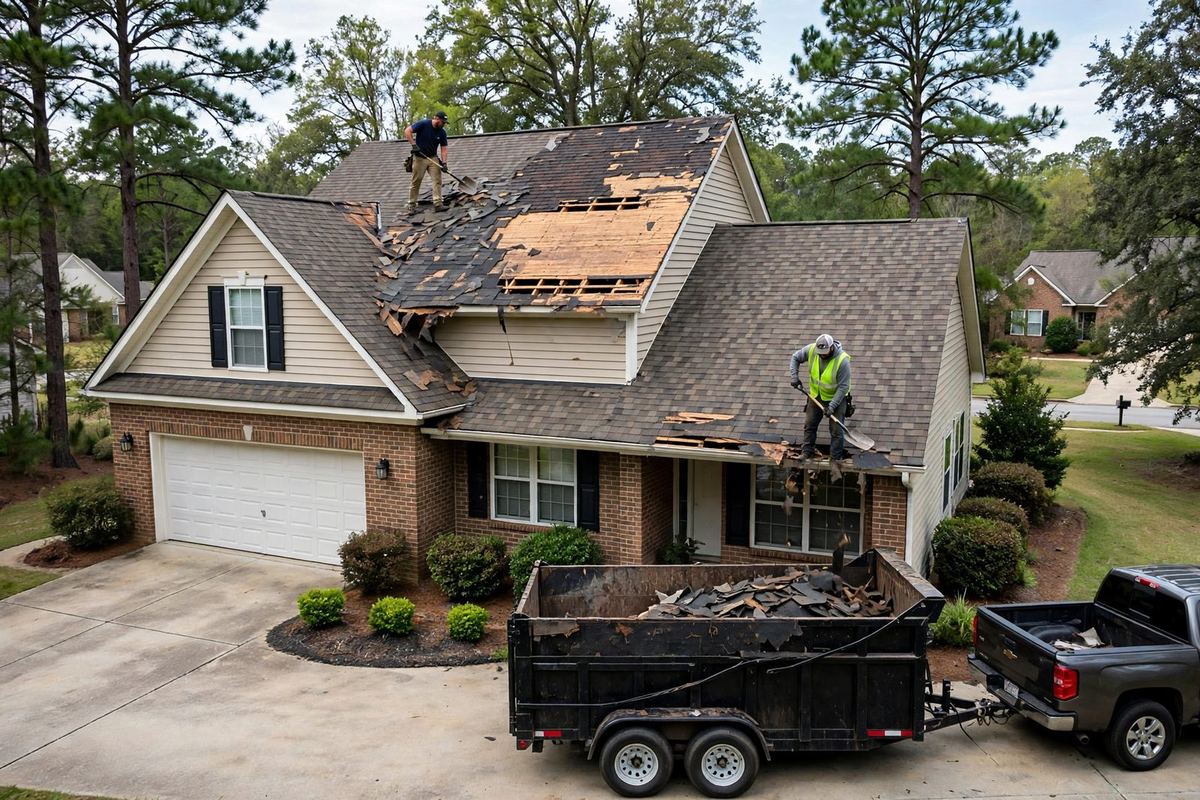
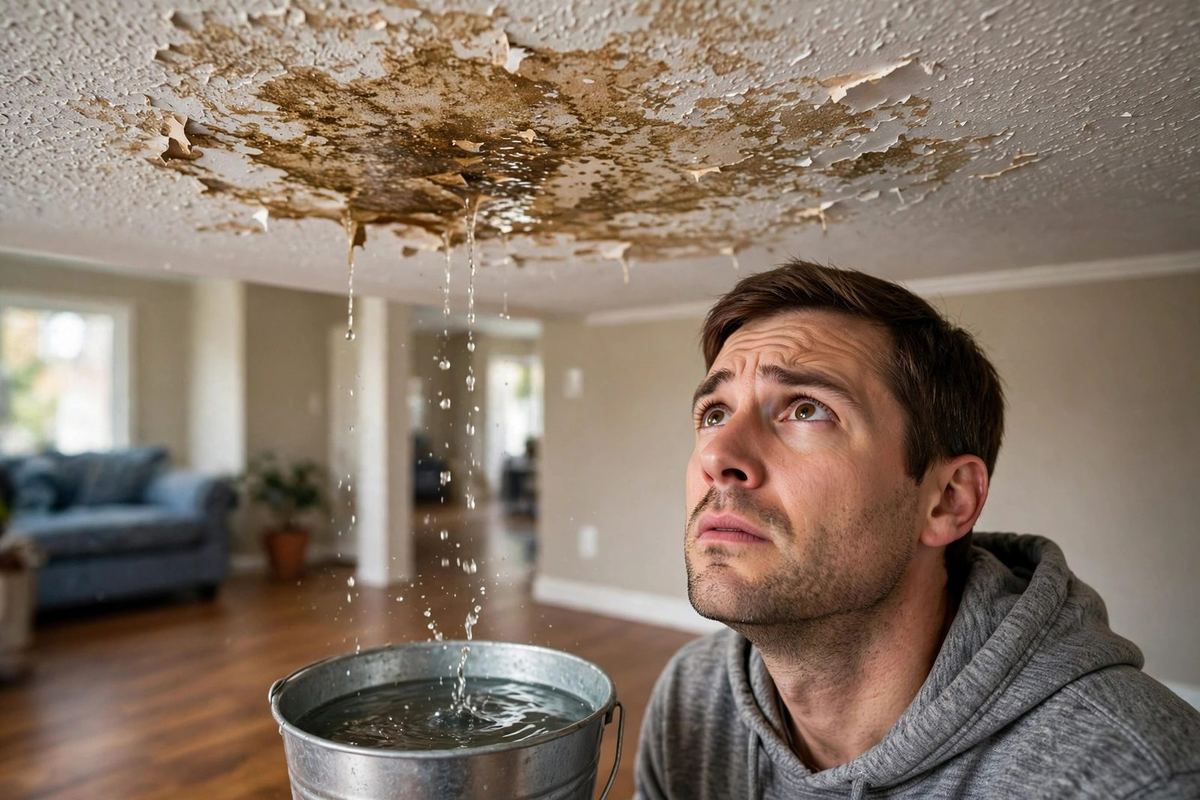
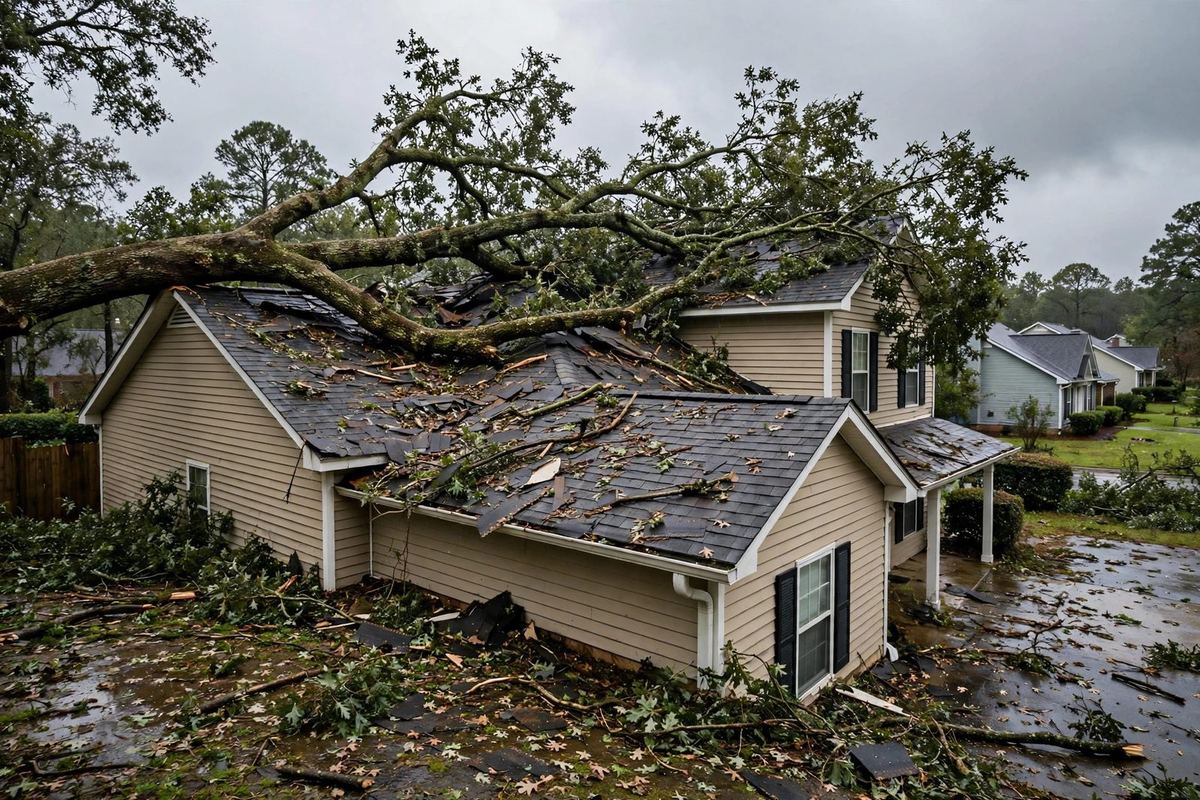
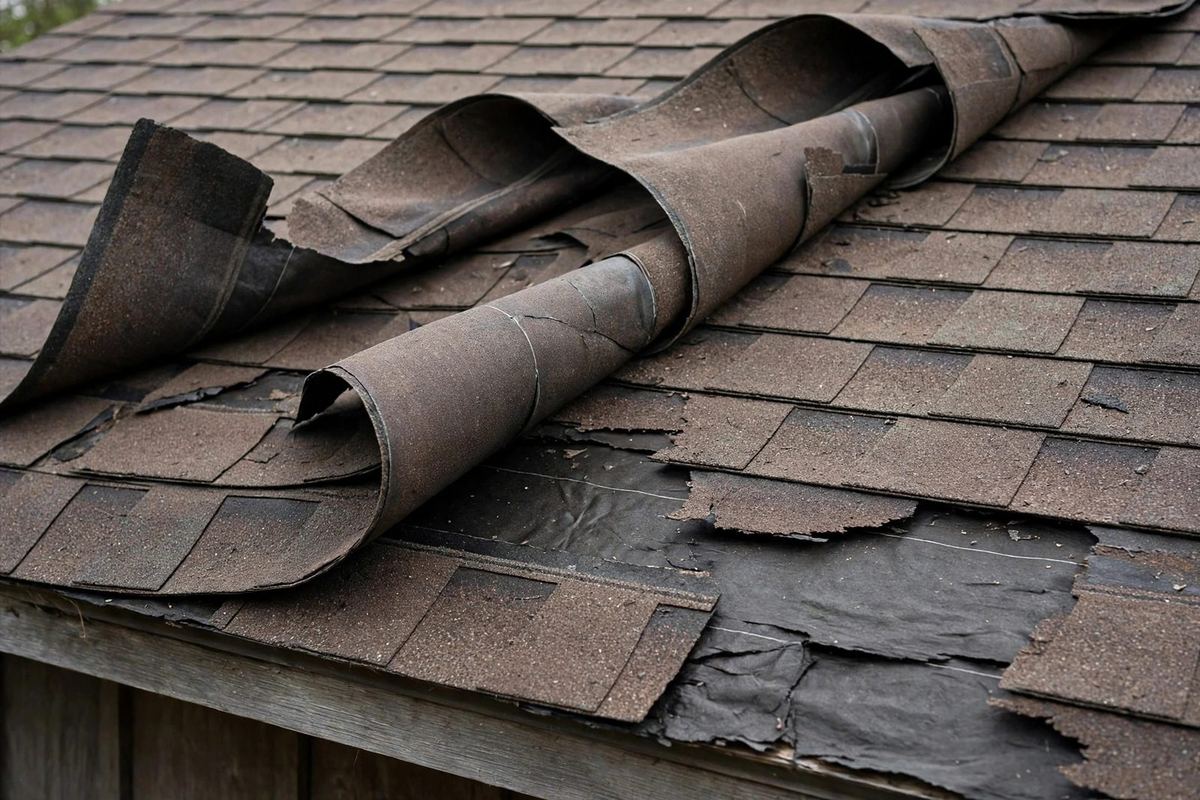
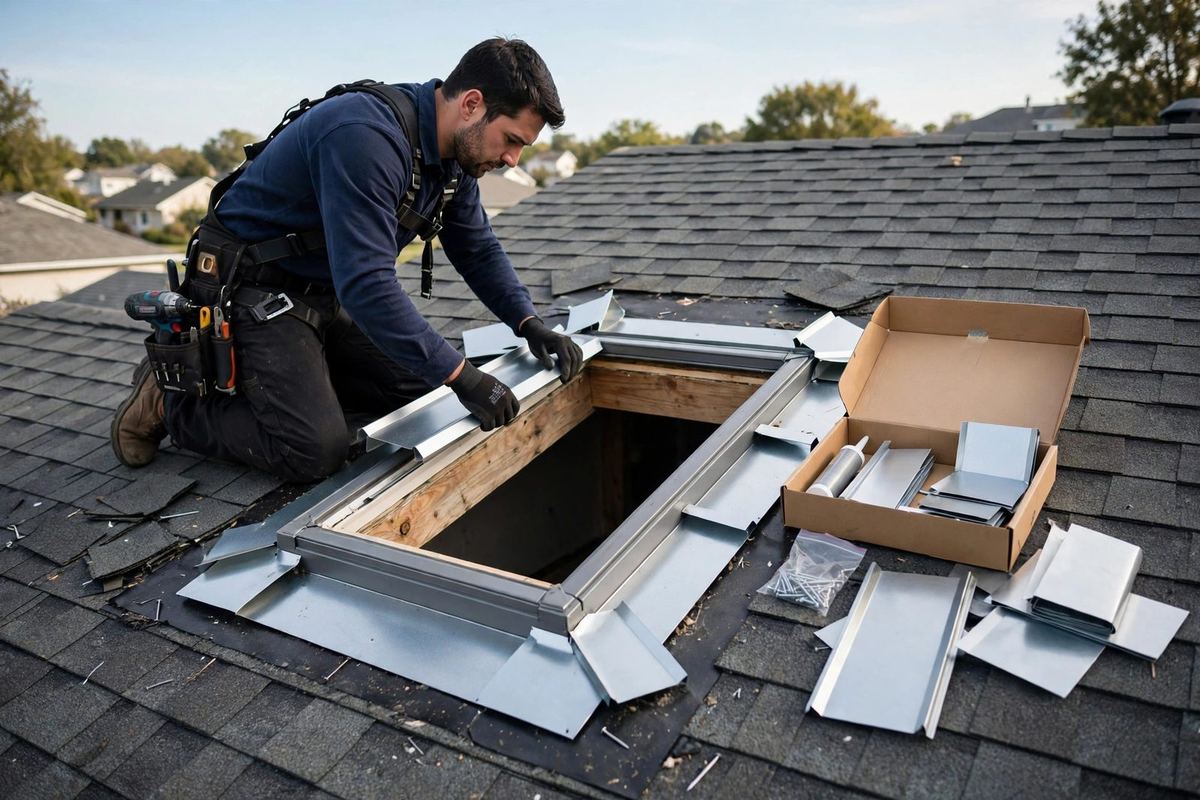
Maintenance assumes a fundamentally sound roof. If we find active leaks, failed flashing or systemic shingle failure during a visit, we will say so and quote the repair — typically $300–$1,500 in October 2026 — separately rather than dressing it up as upkeep. Likewise, no amount of maintenance revives a roof at end of life. The point of regular visits is knowing which category your roof is in, with photographs, years before the decision becomes an emergency.